
Collagen is a structural protein found throughout the body, and type II is commonly discussed in relation to cartilage. Public conversations can blur together collagen powders, dietary protein and specific study ingredients. This guide separates those ideas and considers how adults over 40 can read supplement information with care.
Understanding type II
Collagen types refer to molecular structures and locations. A product name alone does not explain how it was prepared or studied, so the full label and source matter.
Type II can appear in articles about cartilage, but an educational term is not the same as an individual assessment. Readers benefit from noting precisely what a source says and what it leaves open.
Overview of common terms
| Term | What it describes | Question to ask |
|---|---|---|
| Type II | A collagen classification used in educational and product material. | Is the type clearly identified? |
| Hydrolysed | A description of processing into smaller peptides. | Does the label explain the quantity? |
| Source | The origin of the ingredient. | Does it fit dietary considerations? |
| Serving size | The stated amount used for label information. | Are comparisons based on equal amounts? |
Dietary context
Protein intake is one element of a balanced diet. Meals built around varied sources can be considered alongside movement, sleep and hydration rather than treated as a single answer.
- Consider the complete meal pattern.
- Note preferences, allergies and budget.
- Read the full ingredient panel.
- Keep claims separate from personal conclusions.
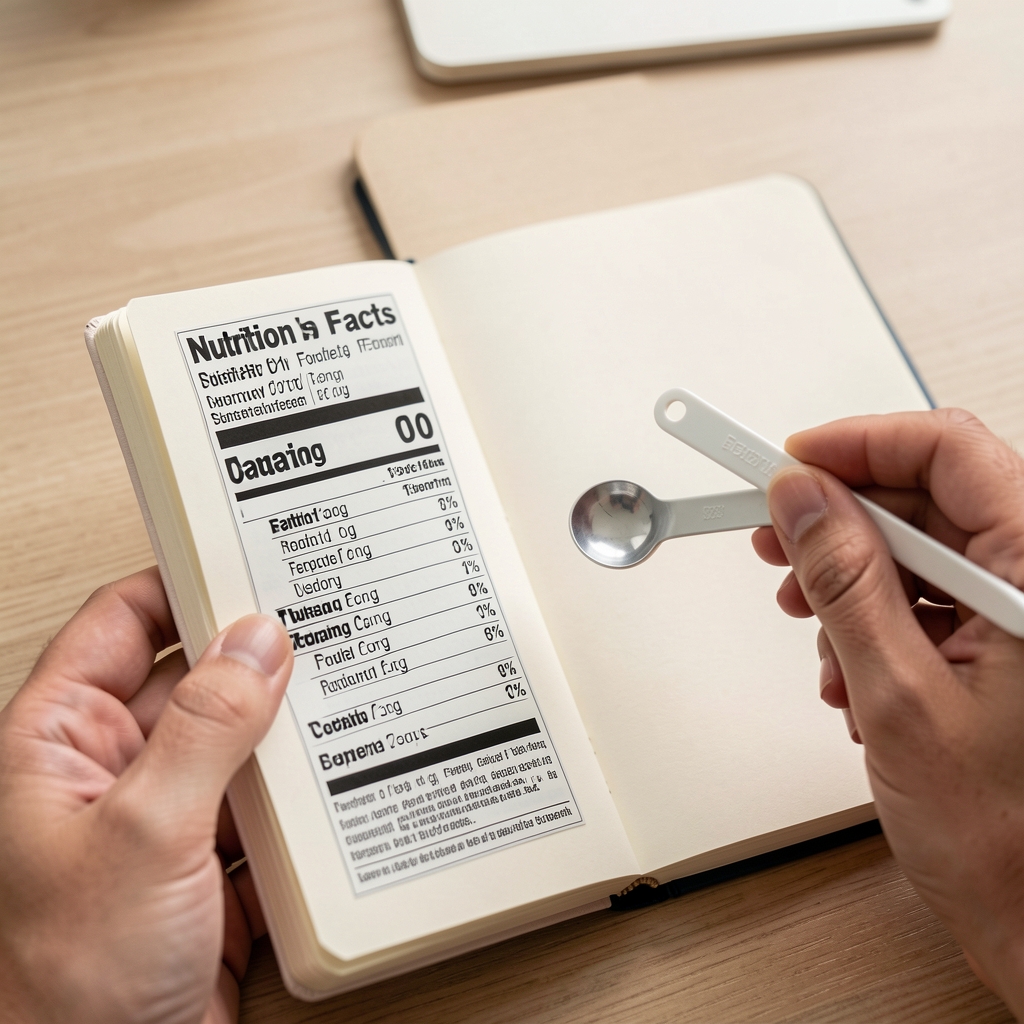
Four label details worth noting
How to read a study
Look for participant numbers, comparison groups, duration and the exact outcome recorded. A headline may simplify details that are important for interpretation.
- Identify the participant group.
- Find the comparison or control.
- Check the length of observation.
- Read the actual outcome measure.
- Notice what the authors say about limitations.
“Clear definitions make nutrition writing easier to understand.”
“A label is a starting point, not a personal assessment.”
“Whole-diet context helps keep one ingredient in proportion.”
Questions readers ask
Is all collagen the same?
No. Types, sources, preparation and serving information may differ.
Why read the study details?
Details show how closely a finding relates to the question being asked.
What can I record?
Write down the source, named type, serving, date and personal questions.