
Turmeric and curcumin are related but not identical terms. Turmeric refers to a plant used in food traditions, while curcumin is one group of compounds studied within it. This distinction matters because preparation, concentration and absorption can differ. The following review offers a calm introduction to the subject for adults over 40 exploring joint mobility information in the UK.
From kitchen spice to research topic
Turmeric has a long culinary history. Modern research often focuses on isolated compounds, extracts and delivery methods, which means a study may not resemble the small amount used in cooking.
Food use is usually discussed as part of flavour, colour and cultural practice. A concentrated product is a different context, with a different label and a different set of questions. Keeping these uses separate makes an editorial comparison easier to follow.
Plant
The whole turmeric root has a culinary identity and may be fresh, dried or ground.
Compound
Curcumin describes a group of compounds within turmeric rather than the whole food.
Preparation
Cooking, extraction and formulation can change the information shown on a label.
Reading the evidence
Study design, duration and participant characteristics shape what can reasonably be concluded. Readers should look for clear descriptions rather than relying on dramatic summaries.
Useful questions include whether the preparation resembles the one being discussed, which outcomes were recorded and how many people completed the study. A result from one setting does not automatically describe every food or product.
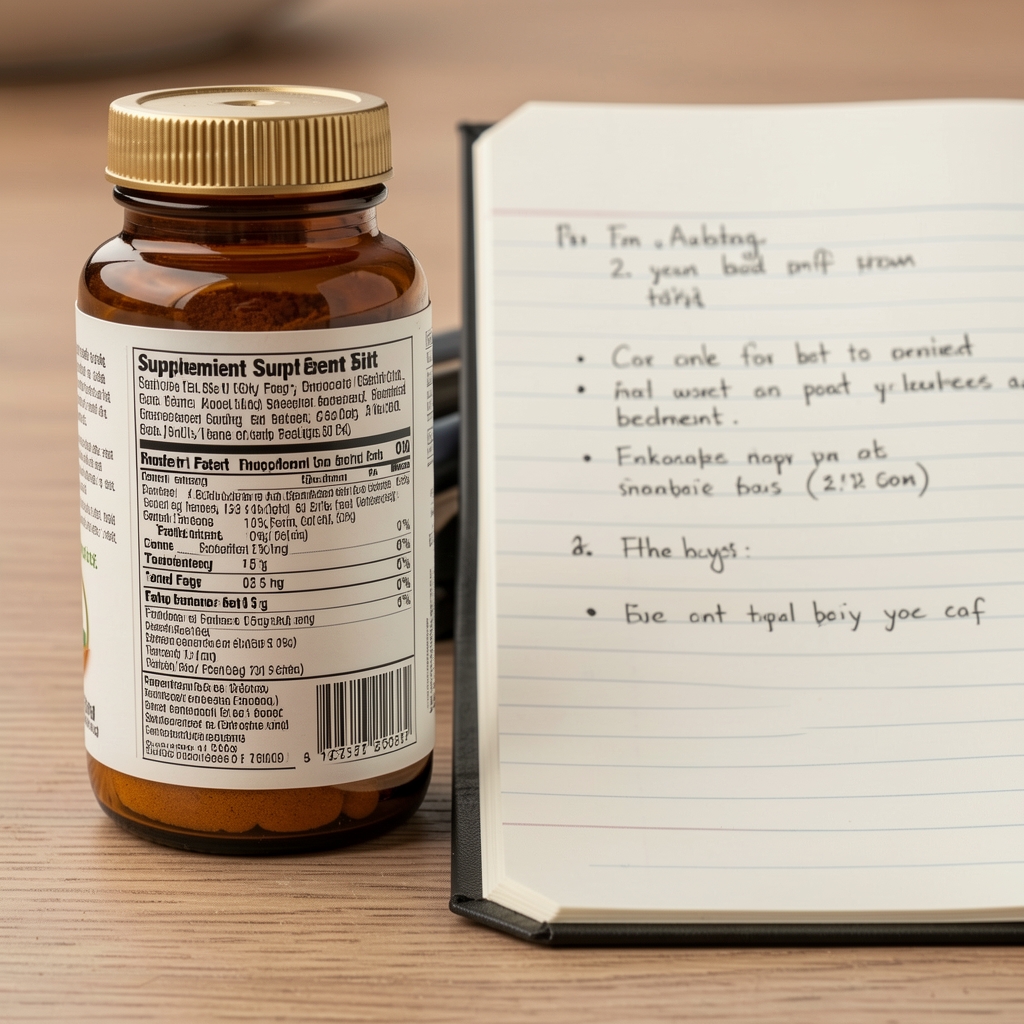
Questions for a careful comparison
| Area | What to identify | Why it matters |
|---|---|---|
| Ingredient | Whole turmeric or named curcuminoids | The terms refer to different materials. |
| Preparation | Food, powder, extract or blend | Context influences how a study relates to a label. |
| Study | Participants, duration and outcome | Details help prevent broad interpretations. |
| Routine | Diet, movement and existing products | The wider setting may affect a personal discussion. |
A four-step reading route
- Define whether the question concerns food use or a concentrated formula.
- Read the complete ingredient panel and serving information.
- Check the date and scope of the cited research.
- Write down personal questions for a qualified healthcare professional.
“A familiar kitchen ingredient can appear very different when discussed as an isolated research compound.”
“Clear labels make comparisons more useful.”
“Context is part of the evidence conversation.”
FAQ
Are turmeric and curcumin the same?
No. Turmeric is the plant and culinary ingredient; curcumin refers to compounds studied within it.
Does cooking equal a study preparation?
Not necessarily. Research may use an extract or a defined amount that differs from ordinary food use.
What should a reader note?
Record the preparation, amount, source, date and the outcome described by the author.